

Backpacking in the USA is a bucket-list adventure for many travellers. From the skyscrapers of New York City to the serenity of Yellowstone National Park, the USA offers something for everyone. However, a common question for those planning a trip is: how much does it cost to backpack in the USA?
While the USA is often perceived as expensive, you’ll be glad to know that backpacking here can be surprisingly affordable with the right preparation. By budgeting smartly, understanding costs, and knowing where to save, you can experience everything the USA has to offer without affecting your travel budget.
Why Backpack in the USA?
The USA is a dream destination for travellers, offering diversity unmatched by any other country. You can explore vibrant cities like Los Angeles, Chicago, and Miami, or even explore the national parks. The country is also steeped in cultural history, starting from experiencing jazz in New Orleans and cowboy traditions in Texas to many more.
That said, it’s no secret that the USA can be pricier than some traditional backpacking destinations. But with careful planning, budget travel in the USA is absolutely possible.
Key Factors That Influence Backpacking Costs in the USA
Several factors will determine how much you spend while backpacking in the USA. Understanding these can help you plan effectively and save money where it matters most.
Travel Style
- Accommodation: Hostels are a backpacker’s best friend, offering affordable dormitory-style beds for around £20–£40 per night. For those who prefer more privacy, budget hotels and Airbnb can range between £50 and £100 per night. Camping in national parks is another cost-effective option, with fees typically around £10–£20 per night.
- Food and Drink: Eating out frequently can quickly add up. While a meal at a budget restaurant costs around £10–£15, cooking your own meals can save you a significant amount. Grocery stores and local farmers' markets are excellent places to stock up on fresh ingredients.
- Activities: The USA offers plenty of free or low-cost activities, like hiking trails, public beaches, and museums with free entry days. However, popular attractions like Disneyland or Broadway shows can cost £100 or more, so plan these splurges carefully.
Length of Stay
The longer you stay, the more opportunities you have to spread out big expenses like flights and accommodation. Short trips may have higher daily costs because you’re packing in activities, while longer trips might aid you with slower travel and lower average daily expenses.
Regions Visited
When it comes to backpacking in the USA, it’s important to know that not all regions have the same expense levels. Some areas can be quite expensive, such as New York, San Francisco, and Boston, where accommodation and dining often come with a premium price.
If you're looking for more affordable options, the Midwest and parts of the South are great choices. These areas tend to offer cheaper accommodation and food, making them perfect for budget-conscious travellers. National parks, while often requiring an entry fee of around £25–£30 per park, offer exceptional value for nature lovers.
By planning and knowing what to expect in each region, you can make the most of your USA backpacking trip without breaking the bank.
Time of Year
Timing your trip wisely can save you hundreds of pounds.
- Peak Season: Summer (June-August) is the busiest and most expensive time to visit, especially in tourist hotspots.
- Off-Peak Season: Travelling during spring (March-May) or autumn (September-November) not only saves money but also lets you enjoy milder weather and fewer crowds.
Navigating Health Insurance and Tax Forms
When it comes to backpacking in the USA, medical care can be incredibly costly, making Travel Insurance for USA backpackers a must. Most travel insurance policies do include health coverage for emergencies, such as accidents or sudden illnesses, but it’s essential to double-check your policy to ensure it covers the high cost of medical care in the USA.
As for tax forms, if you're visiting short-term, you're generally exempt from needing to file them. However, if you plan to work or stay for a longer period, it's worth looking into U.S. regulations or consulting a tax advisor to be sure.
A handy tip is to always carry a copy of your Travel Insurance policy with you, and make sure you know your provider's emergency contact details. This will give you peace of mind, knowing you're covered for any unexpected situations while exploring the USA.
ESTA for Backpacking in the USA
If you're planning on backpacking in the USA, one essential step you’ll need to take is applying for an ESTA (Electronic System for Travel Authorisation). This is part of the Visa Waiver Program (VWP), which allows citizens from certain countries to visit the U.S. for tourism or business without a visa, for stays of up to 90 days. To qualify, you'll need to meet a few simple requirements:
- Be a citizen of a VWP country.
- Have a valid e-passport (the one with the electronic chip) and other necessary documents.
- Not hold a visitor visa.
- Plan to stay in the U.S. for 90 days or less.
How to Obtain an ESTA for Your Trip
Here’s a quick step-by-step guide to help you through the process of applying for the Electronic System for Travel Authorisation application process:
1. Check Your Eligibility: Start by making sure your country participates in the VWP and that you meet all the criteria listed above.
2. Gather Your Information: Before you start your application, you’ll need:
- A valid passport from a VWP country.
- A valid email address.
- Your home address and phone number.
- An emergency contact's phone number and email.
3. Complete the Application: Head to the official ESTA website and fill in the online application form. It’s a straightforward process, taking about 30 minutes. You'll need to provide personal details and answer a few eligibility questions.
4. Pay the Fee: The ESTA costs $14, which includes a $4 processing fee and a $10 authorisation fee. You can easily pay this online via credit card or PayPal.
5. Submit Your Application: Once you've filled everything out, submit your application. You’ll be given an application number that you can use to check the status of your ESTA. While most applications are processed quickly, it can take up to 72 hours for approval.
6. Receive Your ESTA: If approved, your ESTA will be valid for two years or until your passport expires (whichever comes first). This allows you to travel to the U.S. multiple times during that period, making it much easier to explore the USA on your backpacking adventure.
Note:
- It’s important to be aware of a few travel restrictions when applying for your ESTA. If you've travelled to certain countries, such as Iran or North Korea, after 2011, there’s a chance your ESTA application could be denied. In this case, you’ll need to apply for a visa instead.
- Even if your ESTA is approved, it’s not a guarantee of entry into the U.S. Once you arrive, U.S. Customs and Border Protection officers will still assess your admissibility. So, while having an ESTA simplifies the process, be prepared for additional checks upon arrival.
Daily Budget Overview: Backpacking Across the United States
Understanding your daily budget is essential for a successful backpacking trip across the United States. Here's a breakdown of what to expect depending on your travel style:
| Range | Cost | Description |
|
Low-End Budget |
£40 - £60/day |
Accommodation includes hostel dorms, costing £20 - £45 per night. Meals involve street food or pre-made sandwiches, costing around £8 - £12 per meal. Public transport or budget buses will cost £4 - £12. Activities mainly include free walking tours, parks, or hiking for around £4 - £12. Ideal for those looking to stretch their funds and enjoy a basic travel experience. |
|
Mid-Range Budget |
£60 - £120/day |
Accommodation includes private rooms in hostels, budget hotels, or Airbnb private rooms, costing £50 - £100 per night. Dining at casual sit-down restaurants or local cafés costs around £20 - £50 per meal. Public transport and occasional taxis might cost £8 - £20. Activities may include paid tours or museum visits, ranging from £8 - £40. This budget allows for a more comfortable experience and the flexibility to explore local food and attractions. |
|
High-End Budget |
£120+/day |
Accommodation includes mid-range hotels or boutique stays, costing £70 - £120 per night. Meals at upscale restaurants will range from £25 - £50 per meal. Transport might include taxis, rideshares, or even rental cars, costing £20 - £40. Premium activities, such as guided tours and exclusive experiences, will likely range from £40 to £80+. This budget provides an indulgent trip with all the comforts of travel. |
Cost Breakdown
To give you a better idea of what to expect on your trip, here's a more detailed look at the costs of basic and key expenses you might face while backpacking in the USA.
Accommodation
The United States offers a range of accommodation options. Hostels range from $25 - $55 per night for a dorm bed, with private rooms costing between $75 - $125. Cheap motels or roadside motels can be found for $60 - $75 per night, and budget hotels typically start around $90 - $125 per night. Airbnb private rooms are available for $40 - $60, while full apartments start around $100. For a more outdoorsy experience, campsites cost between $20 - $30 per night.
Food & Drink
The cost of food in the U.S. can vary depending on where you eat. Street food or pre-made sandwiches will generally cost around $10 - $15 per meal. Dining at casual restaurants may cost $25 - $60 per person, with fast food such as McDonald's priced around $10 - $12.
If you're looking to enjoy a drink, beer usually costs $6 - $8, while a cocktail may run you $14 - $20. For a week's worth of groceries, plan to spend around $60 - $80, which is a great option if you want to save money by cooking your meals.
Transportation
Local buses and metros cost around $2 - $5 per ride in most cities. Intercity buses are one of the most affordable options for getting around, with fares as low as $1 if booked in advance. Longer journeys start at around $30 - $50 for a few hours of travel. For city-to-city trips, buses like Greyhound, or FlixBus are great options.
If you're looking to fly, cheap domestic flights can sometimes be found for as low as $100, though prices can vary depending on when you book and the route. Renting a car for a road trip is also an option, with rentals starting at around $35 per day.
Activities
The cost of activities can vary greatly depending on your interests. Museum tickets and entry to cultural sites typically range from $5 - $25. Many U.S. cities also offer free walking tours and outdoor activities like hiking or visiting national parks. Some tourist attractions like the Statue of Liberty or the Grand Canyon will charge higher fees, ranging from $20 - $50. For premium experiences, such as guided tours or activities like whale watching, expect to pay between $50 - $100.
Shopping for Necessities
While shopping isn’t a top priority for many backpackers, it’s important to budget for essentials like toiletries, snacks, or other necessities. These will typically cost between $2 - $10. If you want to bring home souvenirs or local crafts, set aside around $10 - $50, depending on what catches your eye.
Travel Insurance
Backpackers Travel Insurance is essential to cover any unexpected medical emergencies, lost luggage, or cancellations. Basic insurance generally costs between $30 - $50 per month and is a wise investment for peace of mind during your travels.
Examples of Cost Breakdown by Region
When it comes to backpacking in the USA, there’s no one-size-fits-all budget. The beauty of this vast country lies in its variety—whether you're hiking through national parks, exploring bustling cities, or experiencing world-class culture, there’s something for every traveller, no matter their budget. Understanding how much it costs to backpack in the USA is essential for any adventurer planning a trip. Below, we’ve broken down the costs by region to give you an idea of what to expect in different parts of the country, along with some handy tips for keeping your spending in check.
- California
- Oregon
- New York
- Washington, D.C
- Boston
- Minneapolis, Minnesota
- Kansas City, Missouri
- Texas
- Louisiana
- Georgia
- Arizona and Utah
- Nevada
1. California
- Daily Budget: $75–$125
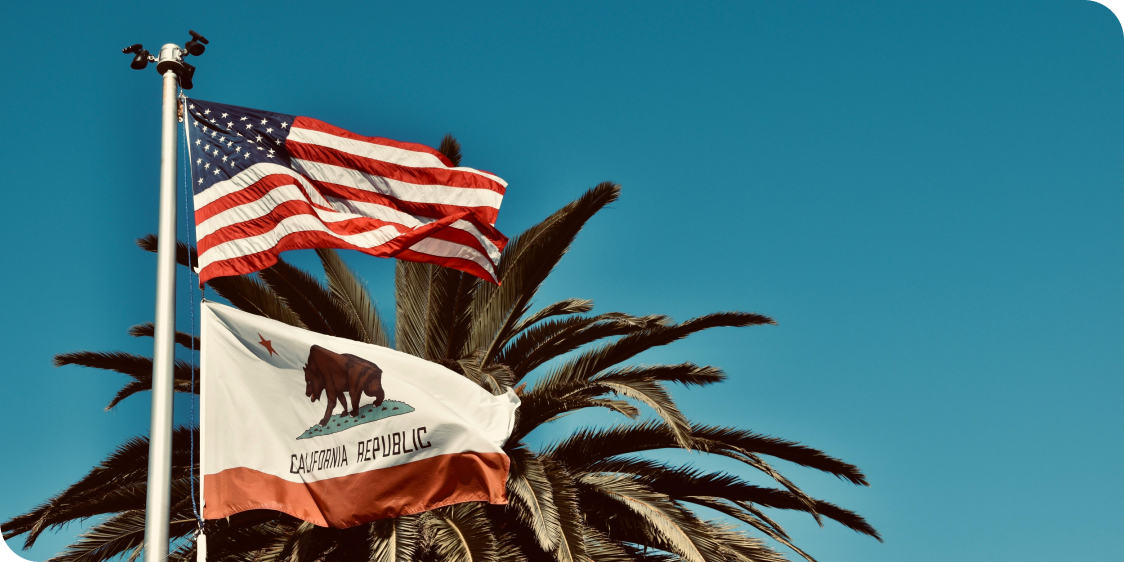
California is a state of incredible contrasts, offering everything from beaches to national parks. You can hike in Yosemite, explore the Big Sur, or trek the rugged terrain of Death Valley. However, its popularity means it can be an expensive destination, so a bit of planning is key.
Major attractions like the Golden Gate Bridge in San Francisco and the Hollywood Walk of Fame in Los Angeles are iconic but don’t forget that national park entrance fees can range from $15–$35. For a more unique experience, wine tours in Napa Valley typically cost $30–$50 per person, and surfing lessons along the coast can set you back $50–$100.
To keep costs low, use public transport such as BART in cities like San Francisco and Los Angeles, and consider camping in the national parks to save on accommodation. Grabbing a quick bite from local street food vendors or cooking at your campsite can also help stretch your budget.
2. Oregon
- Daily Budget: $50–$100
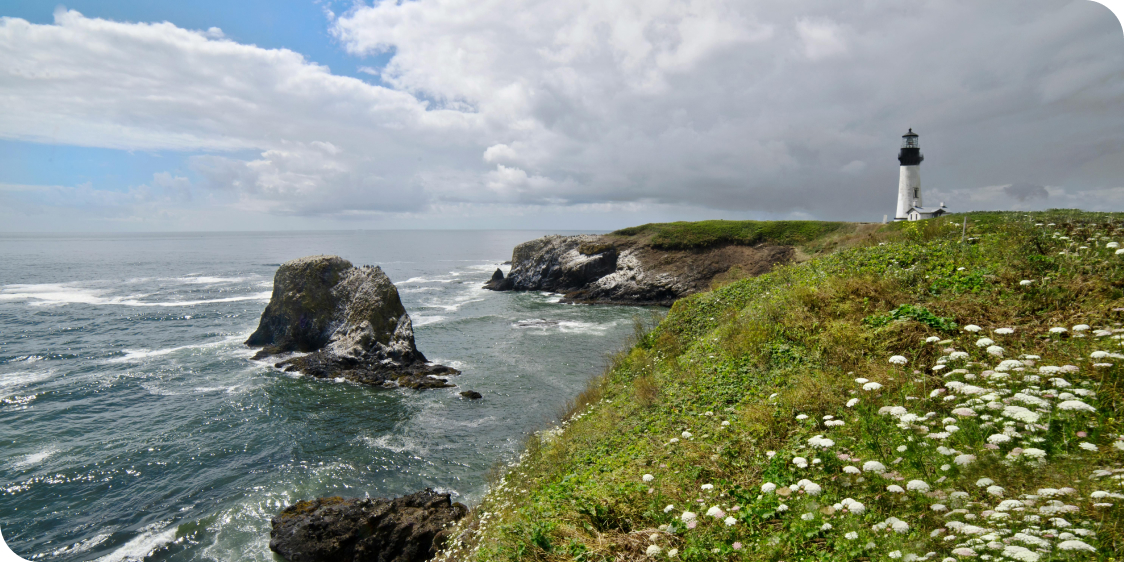
Oregon is a fantastic destination for nature lovers and foodies alike. The state is renowned for its craft breweries, vibrant food truck scene, and scenic hiking trails, making it a great choice for budget-conscious travellers. In Portland, you can indulge in affordable street food and craft beer, while natural landmarks like Mount Hood and Crater Lake offer stunning views and outdoor adventures.
Entrance to Crater Lake National Park is just $15 per vehicle, and you can enjoy a brewery tour in Portland for as little as $10–$30. With many of Oregon’s hiking trails being free to explore, it's easy to experience the state's natural beauty on a budget.
It is advisable to stay in budget-friendly hostels or eco-lodges in Portland and take advantage of the abundance of free outdoor activities, from hiking in Columbia River Gorge to exploring the state’s many public parks. Oregon truly offers something for everyone, without breaking the bank.
3. New York
- Daily Budget: $100–$150
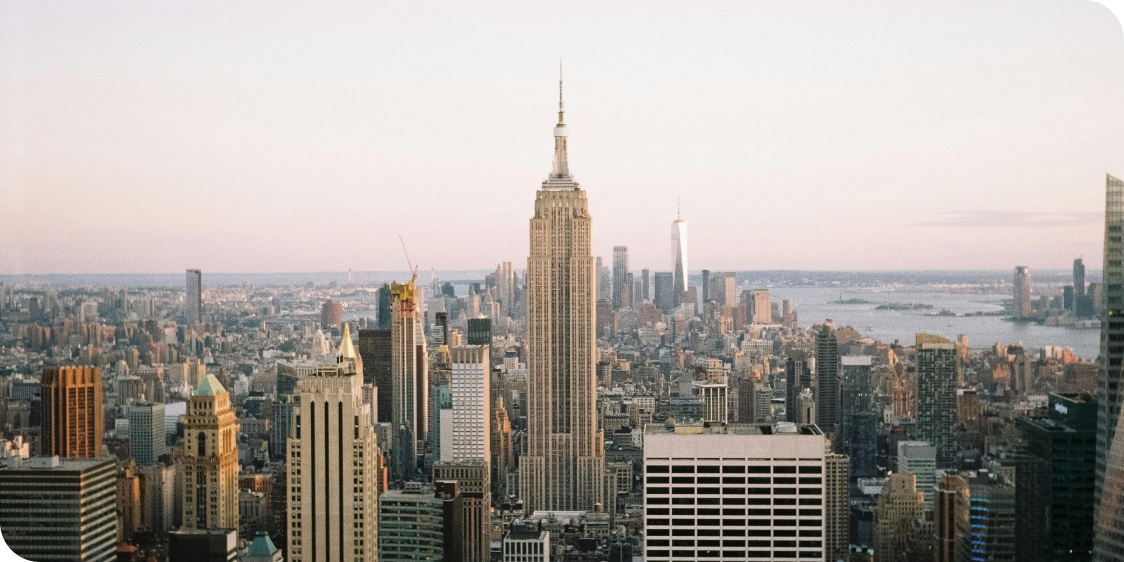
New York City is undoubtedly one of the most iconic destinations in the world, offering a wealth of landmarks and experiences, from Times Square to Central Park. While the city can be expensive, especially when it comes to accommodation and dining, there are plenty of ways to enjoy it on a budget with some careful planning.
Key attractions like Times Square, the Statue of Liberty, and Central Park are must-sees, and many free attractions, such as The High Line and the Brooklyn Bridge, can help balance out your spending.
Entrance fees for world-class museums like The Metropolitan Museum of Art or MoMA typically range from $20–$25, though some offer free entry days. To save on transportation, opt for a multi-day MetroCard for unlimited subway rides ($34 for seven days), which makes getting around affordable.
For accommodation, consider staying in outer boroughs like Queens or Brooklyn, where you can find more budget-friendly options while still being close to the spot. With a little planning, New York City can be enjoyed with a minimal budget.
4. Washington, D.C.
- Daily Budget: $75–$125
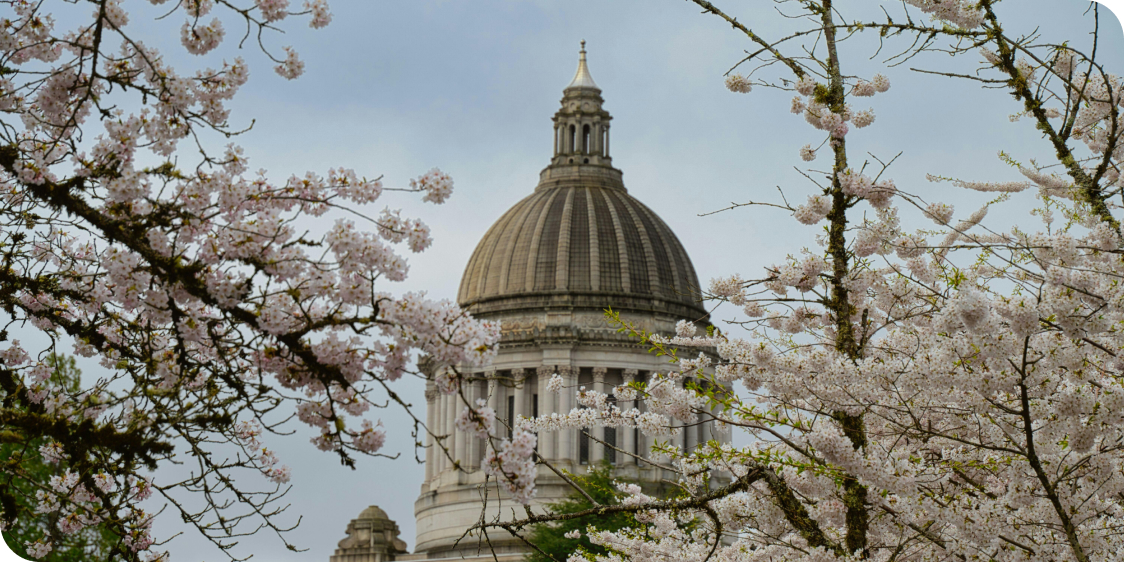
Washington, D.C. is yet another fantastic destination, popular amongst history enthusiasts, as it offers a wealth of free attractions that bring the city’s rich heritage to life. From the iconic landmarks along the National Mall, like the Lincoln Memorial and Capitol Hill, to the world-renowned Smithsonian museums, there's plenty to explore without spending a penny.
The city’s affordable food scene is another bonus, with delicious options ranging from food trucks to diverse ethnic eateries. While some activities do have a cost, such as tours of historical sites like Mount Vernon (around $15–$25) or hop-on-hop-off bus tours ($40–$50 per day), you can easily save by focusing on the many free experiences.
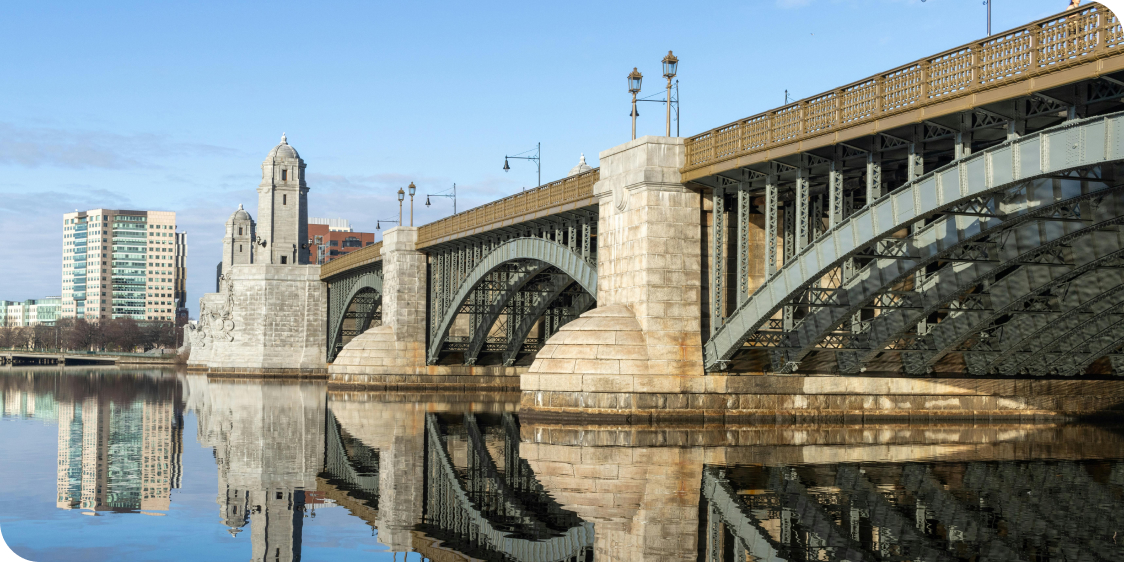
5. Boston
- Daily Budget: $75–$125
Boston is a city rich in history and culture, offering plenty to see and packed with many activities without draining your wallet. A stroll along the Freedom Trail is a must-do and best of all, it’s free! You can also explore the prestigious Harvard University or take a scenic ferry ride to the Boston Harbor Islands for a taste of nature.
If you're visiting in season, whale watching could be a great experience, costing around $50–$75. While dining can get pricey, particularly when it comes to seafood like lobster rolls ($20–$40), you can save by opting for more casual meals at local markets.
Public transport (MBTA) is an affordable way to get around, and walking the city allows you to soak in its charm at a slower pace. You can also consider a Fenway Park tour ($25–$30), which is a great way to experience the iconic baseball stadium.
6. Minneapolis, Minnesota
- Daily Budget: $50–$100
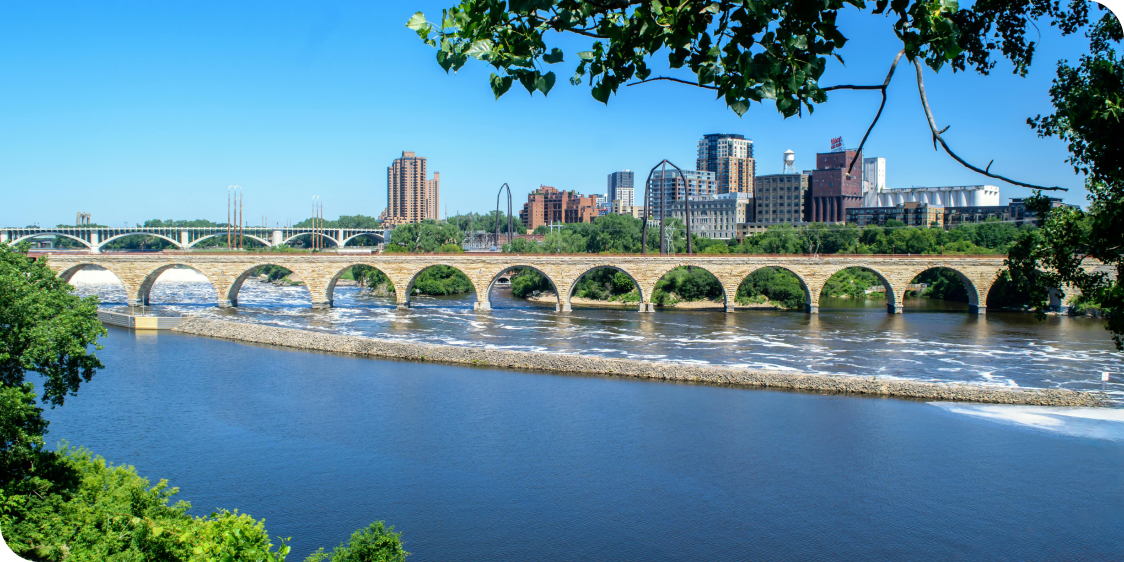
Minneapolis, Minnesota might not be at the top of your list when thinking about backpacking destinations, but it’s an underrated spot, especially for nature lovers. The city offers scenic walking and cycling trails along the Mississippi River and the Chain of Lakes. The best part about backpacking in Minneapolis is that many of these outdoor activities are completely free.
Furthermore, if you're in the mood for some shopping, the Mall of America is a major attraction, though entry is free, be prepared for extra costs if you decide to indulge in shopping or the indoor amusement rides.
For those looking to explore the great outdoors further, state parks are just a short drive away, with entrance fees ranging from $7–$10. In winter, you can enjoy ice skating for $10–$20, adding a bit of seasonal fun to your trip.
7. Kansas City, Missouri
- Daily Budget: $50–$100
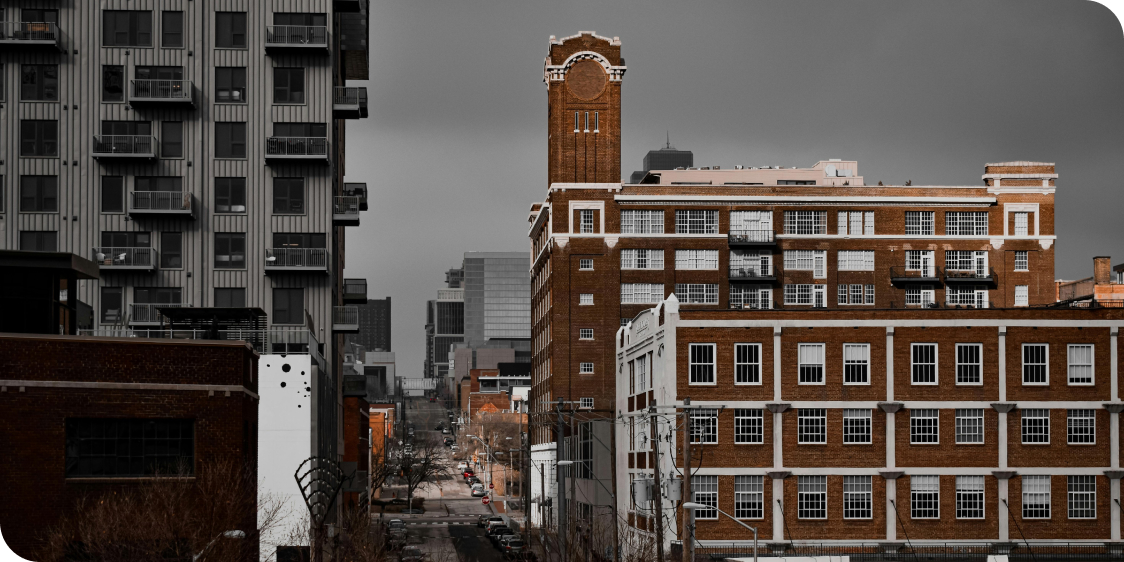
Kansas City, Missouri, is another budget-friendly destination that’s perfect for history enthusiasts and food lovers alike. The city boasts a wealth of free cultural attractions, including the Nelson-Atkins Museum of Art, which you can explore without spending a penny.
When hunger strikes, Kansas City BBQ is a must-try, with hearty portions available for just around $10–$20. The city also has a rich jazz culture, and you can catch live performances at local clubs for a modest fee of $5–$20. To save on accommodation, look for budget motels or hostels, particularly near downtown, which will leave you with more money to enjoy the city’s amazing food and music scene.
8. Texas
- Daily Budget: $60–$110
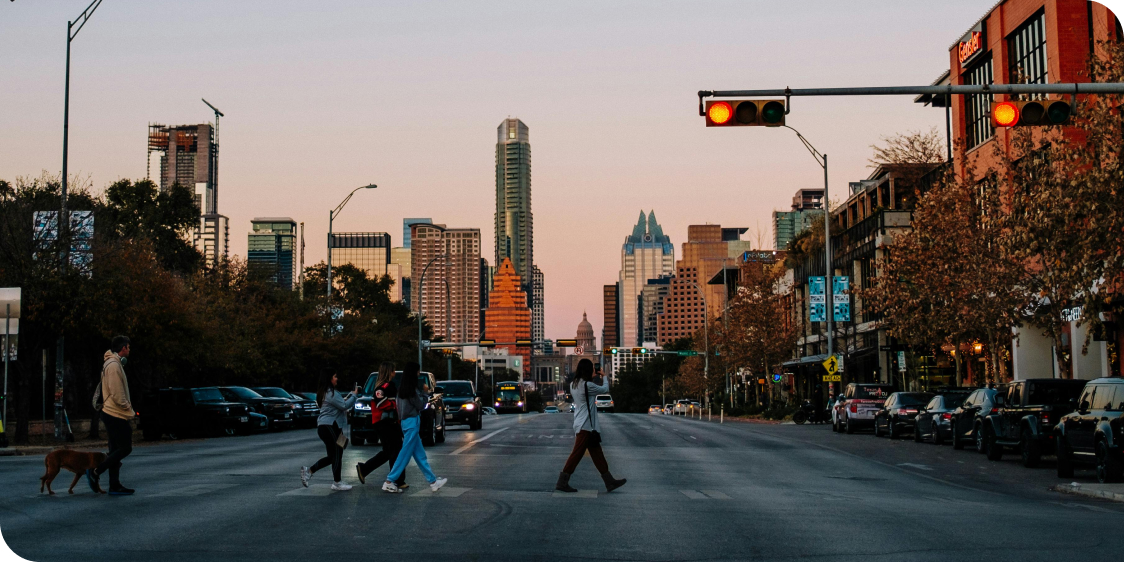
Texas is a vast and diverse state with something for every type of traveller. You can consider visiting Austin’s renowned live music scene, strolling along the River Walk in San Antonio, or exploring the rich history of Dallas, Texas is packed with exciting experiences.
A packed BBQ meal or Tex-Mex dish usually costs just around $10–$25, offering a taste of the state’s delicious cuisine. Texas is huge, so getting around by bus between major cities is a smart, cost-effective way to travel. You can also consider a road trip as another affordable way to explore the state’s varied landscapes and attractions.
9. Louisiana
- Daily Budget: $60–$110
Louisiana, particularly New Orleans, is a fascinating blend of French colonial charm, jazz music, and Southern cuisine. The French Quarter is a must-see, offering a glimpse into the city’s rich history and vibrant culture. You can also enjoy live jazz music in various bars, with many offering free or low-cost performances.
For a unique experience, swamp tours through the Louisiana bayous are a must, though they can cost between $30–$50. Don’t forget to stop by Café du Monde for a beignet and coffee, which will set you back around $10.
To keep costs down, consider staying in hostels or budget guesthouses in New Orleans, and booking accommodation in advance can often secure better deals. Hence consider Booking.com to plan your reservations and trip accordingly.
10. Georgia
- Daily Budget: $50–$100
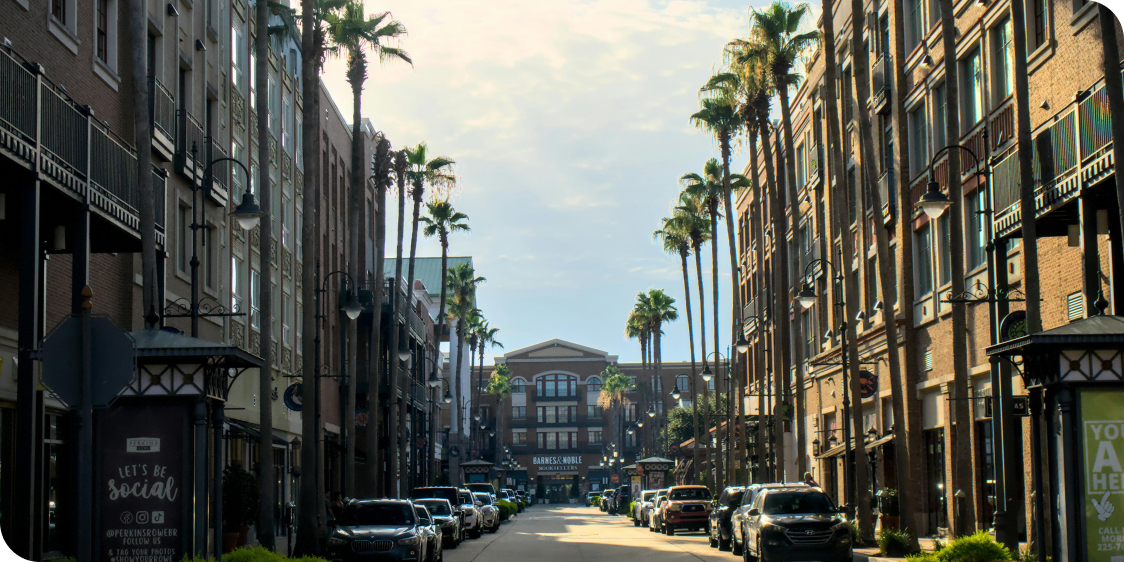
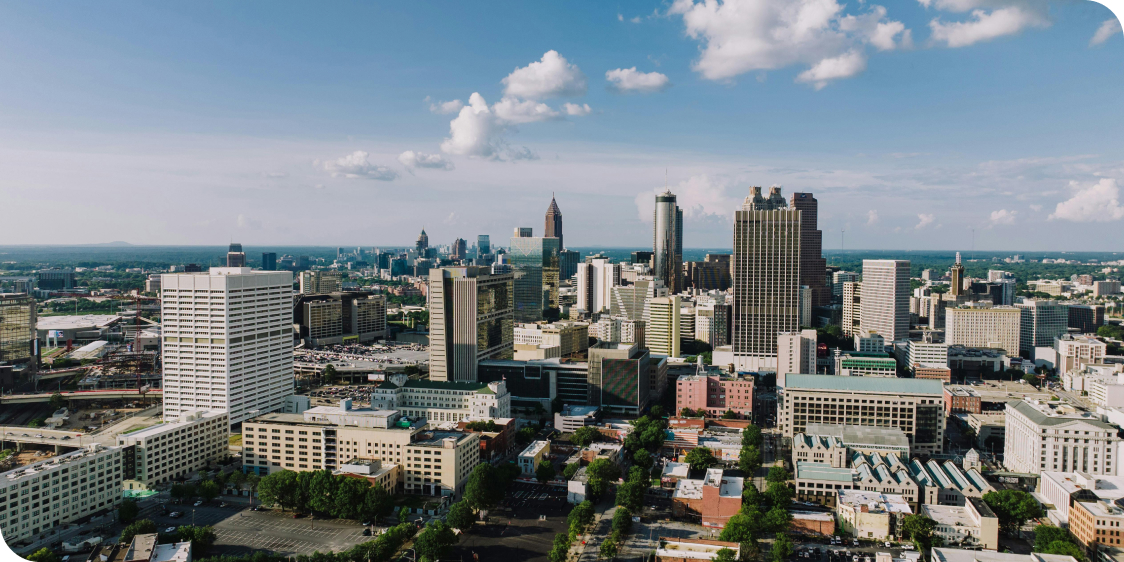
Georgia is a fantastic destination, offering a blend of natural beauty, rich history, and vibrant culture. You can explore the historic streets of Savannah, with its charming squares and moss-draped trees, or visit Atlanta’s modern attractions like urban parks, museums, and cultural hotspots. Southern food is a must-try, with meals ranging from $10–$20, offering an affordable taste of local flavours.
While museum and aquarium tickets can cost between $20–$35, there are plenty of free activities to enjoy. In Savannah, take advantage of free walking tours to learn about the city’s fascinating history. Atlanta’s public parks are another great option, offering beautiful green spaces for picnics or leisurely strolls without spending a penny.
11. Arizona and Utah
- Daily Budget: $60–$110
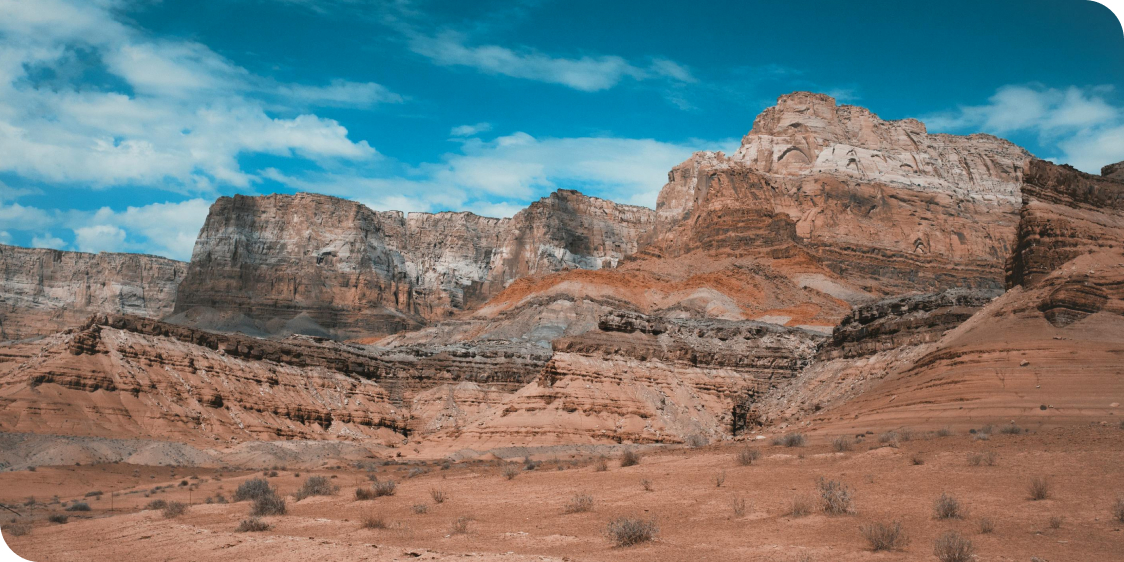
Arizona and Utah are the most recommended backpacking spots for nature lovers, boasting some of the most iconic national parks in the USA. From the Grand Canyon to the landscapes of Zion National Park and Monument Valley, there’s no shortage of breathtaking sights.
While national park passes typically cost between $15–$35, guided tours of attractions like Antelope Canyon can range from $50–$80. A great budget tip is to camp in the national parks, as many offer affordable campsites that allow you to experience the stunning landscapes up close without the high accommodation costs. This is the perfect way to explore the trip completely while keeping your travel costs low.
12. Nevada
- Daily Budget: $75–$150
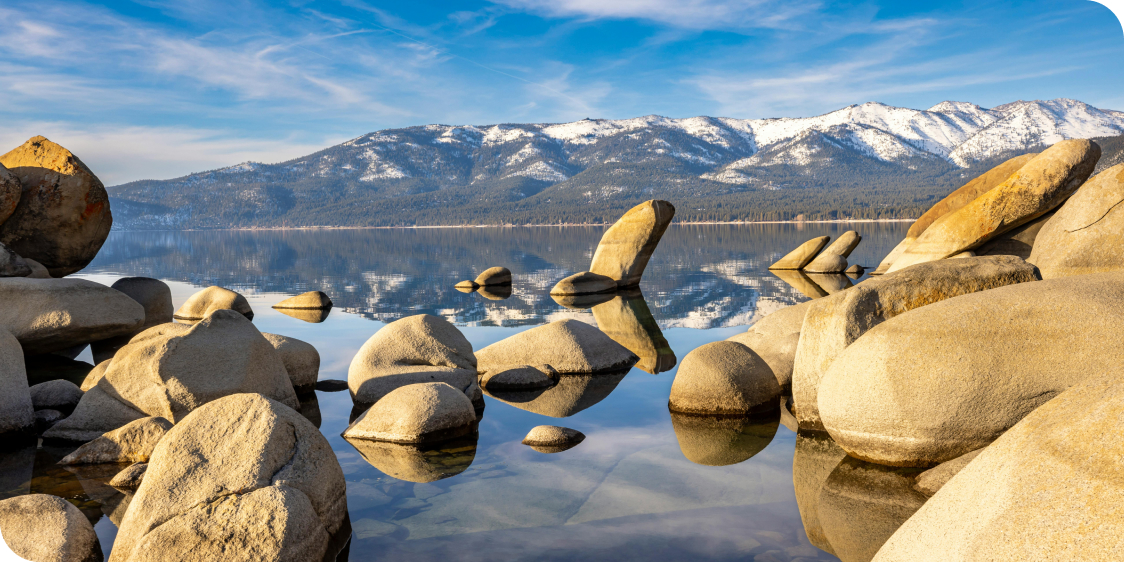
Nevada, home to the famous Las Vegas, can be expensive, but with a bit of detailed planning, it’s possible to enjoy the city on a budget. The Las Vegas Strip is iconic, but you can also explore attractions like Hoover Dam and Red Rock Canyon without breaking the bank.
Casino buffets typically cost between $20–$40, offering a great value meal. Day trips to places like Hoover Dam or Lake Mead cost around $15–$30, making them an affordable way to see the sights.
To save on accommodation, consider booking hotels during the week, when rates are usually lower than on weekends. If you want to experience Vegas without the hefty price tag, staying off the Strip in more budget-friendly areas is a smart choice.
Budgeting for a 3-Month Trip
Backpacking in the USA can be an incredible experience, but it’s essential to plan ahead and budget wisely for your trip. Whether you’re exploring beautiful national parks, enjoying vibrant cities, or discovering underrated across the country, it is advisable to know how much to travel to the USA for 1 month. It can help you manage your finances and make the most of your adventure.
|
Category |
Cost Range (3 months) |
Details |
|
Accommodation |
£2,000 - £4,000 |
Dorm beds at hostels (£20–£40 per night) or motels (£40–£80 per night). Private rooms or hotels will increase costs. |
|
Food |
£800 - £2,000 |
Meals from grocery stores, fast food, and casual dining. Street food can be an affordable option while dining out in cities will be pricier. |
|
Transport |
£1,200 - £2,400 |
Car rentals (£25–£50 per day), domestic flights (£40–£160 per flight), and public transport. Buses and budget airlines help reduce costs. |
|
Activities |
£800 - £1,600 |
Park fees (£8–£28), guided tours, and outdoor activities. Take advantage of free activities like hiking to save. |
|
Miscellaneous |
£400 - £800 |
Covers essentials like toiletries, SIM cards, souvenirs, and emergency expenses. It’s wise to have a buffer for unforeseen costs. |
Why Travel Insurance is Essential for Backpackers
When you're travelling abroad, especially on an extended Single Trip, travel insurance for USA backpackers is a must. Medical emergencies and other unforeseen events can disrupt your plans and lead to substantial costs. Travel insurance serves as an invaluable safety net, offering cover through our GigaShield feature:
- Medical Emergencies: The USA has one of the most expensive healthcare systems in the world. Without travel insurance, you could face huge bills for medical treatment, even for minor accidents or illnesses.
- Lost Luggage: Whether it's a lost backpack or stolen items, travel insurance helps you recover costs and provides support in these stressful situations.
- Cancellations or Delays: With travel insurance, you can be reimbursed for non-refundable flights or accommodation if you need to cancel or change your plans unexpectedly.
- Adventure Coverage: Many policies offer coverage for outdoor activities, such as hiking, rafting, or rock climbing, which are common for USA backpackers. If you’re planning to venture into national parks or rugged areas, adventure coverage is essential.
- Emergency Assistance: Our policies provide 24/7 emergency support, offering essential services such as medical referrals, legal assistance, and help with lost passports, ensuring you have access to the support you need during unexpected situations while travelling abroad.
Plan Your USA Backpacking Adventure with Gigasure
Now that you have a clearer picture of the costs involved in backpacking in the USA, it’s time to plan your adventure. Smart budgeting and securing the right Travel Insurance are key to ensuring your trip goes smoothly.
Gigasure offers Travel Insurance specifically designed for USA backpackers, providing you with peace of mind as you explore the country. Whether you’re hiking through national parks or discovering vibrant cities, you can rest assured knowing you’re covered against unexpected challenges.
Take a moment to explore Gigasure’s Travel Insurance options for USA backpackers and get a quote today. Don’t forget to download the Gigasure app – your go-to travel companion. With 24/7 customer support, managing your policy while on the move is easy. Get the coverage you need for your USA backpacking adventure, and focus on enjoying your journey without worrying about the unexpected.